%20(3).png?width=1555&height=462&name=Novarad%20EHS%20Logo%20Full%20Color%20(1)%20(3).png "Novarad Enterprise Healthcare Solutions")
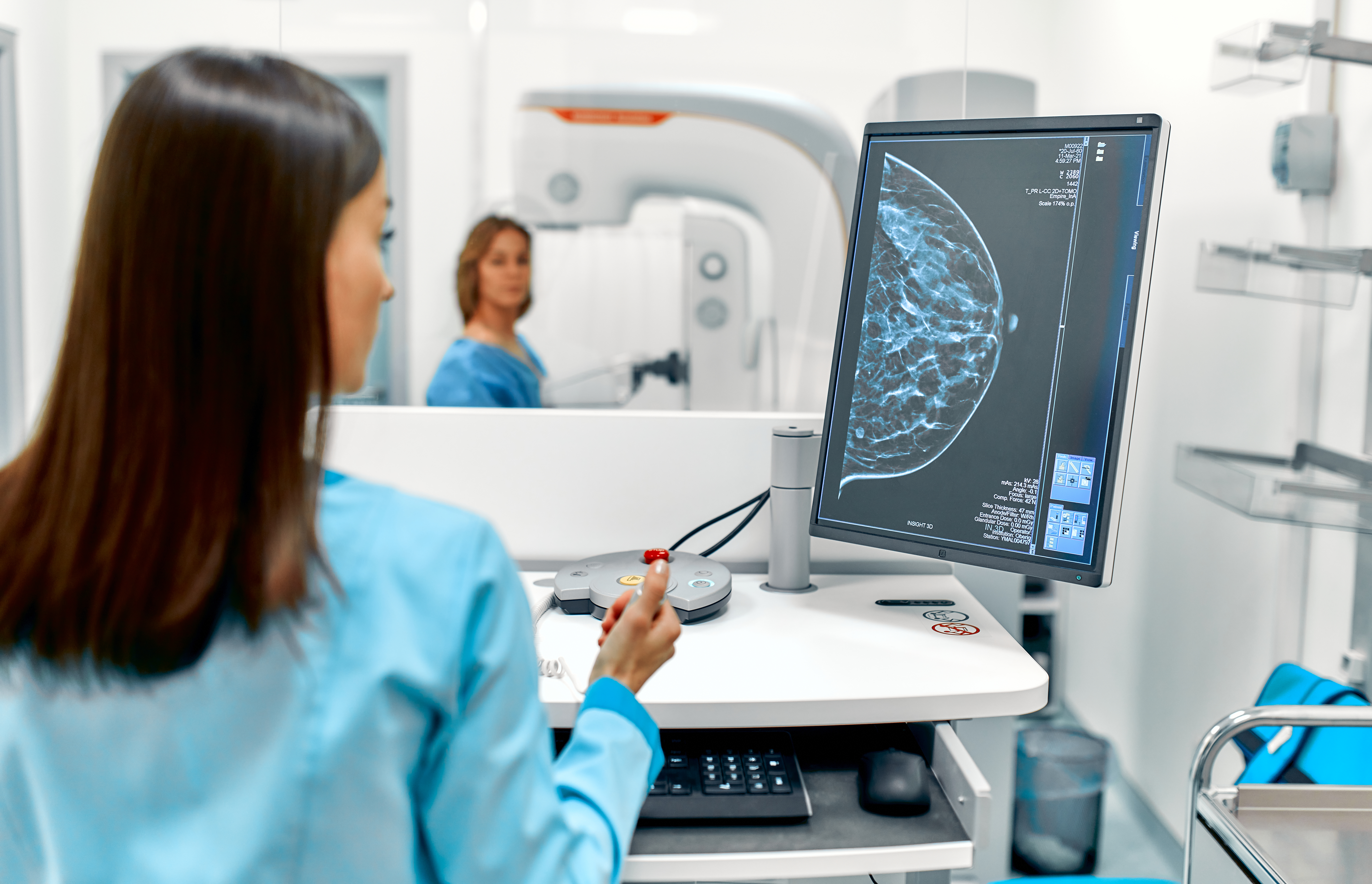
A practical guide for breast imaging programs evaluating mammography software for hospitals, imaging centers, and distributed radiology teams.
Why Your Mammography PACS Choice Matters
Breast cancer remains one of the most diagnosed cancers worldwide, and early, accurate detection is the single most powerful lever for improving patient outcomes. In addition, breast health and imaging are among the most highly regulated areas of healthcare in the United States. At the center of any high-performing breast imaging program is the mammography PACS — the platform that determines how efficiently radiologists can read studies, how reliably teams can track patient follow-up, and how consistently programs can meet regulatory requirements.
Yet not all mammography PACS platforms are built the same. General-purpose imaging systems often fall short in breast imaging because the specialty demands more: tomosynthesis support, BI-RADS structured reporting, density tracking, patient reminder workflows, and seamless integration across multi-modality cases involving MRI and ultrasound. Choosing the wrong platform means slower reads, compliance gaps, and care coordination failures that directly affect patients.
This guide outlines the key features radiology administrators, breast imaging directors, and IT leaders should evaluate when selecting mammography software — whether you're building a new program from scratch, upgrading an aging system, or expanding into remote or distributed reading environments.
Workflow and Efficiency: Reading Speed Translates to Patient Access
In high-volume breast imaging environments, minutes matter. A mammography PACS that slows down interpretation adds up quickly — both in radiologist burnout and in patients waiting longer for results. The most effective breast imaging software is engineered around how radiologists actually work.
Advanced 2D & 3D Visualization
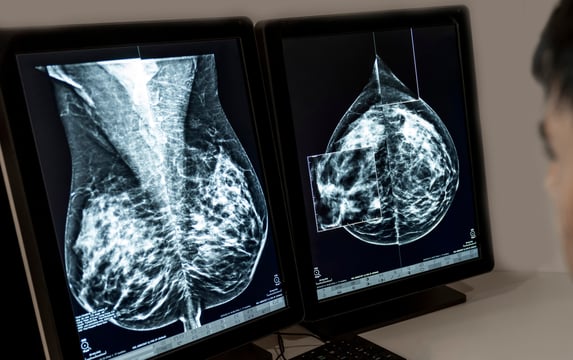
Digital breast tomosynthesis (DBT) has rapidly become the standard of care, and your mammography PACS must handle it natively and efficiently. Look for high-performance mammography and tomosynthesis viewing with progressive hanging protocols, seamless modality toggling between 2D and 3D, and intelligent study alignment that auto-positions current and prior exams side by side for fast comparison. Platforms like MammoIQ are built with this reading speed in mind, minimizing the clicks and loading times that interrupt interpretive flow.
Intelligent Study Prioritization with AI Triage
AI-powered triage is quickly moving from competitive differentiator to table stakes in modern breast imaging software. AI-assisted prioritization highlights urgent studies — surfacing potential findings that warrant immediate attention — without removing the radiologist from the diagnostic decision. Advanced processing tools such as multi-slice subtraction and ROI tracking further enhance diagnostic confidence across high-volume environments. When evaluating mammography PACS options, ask whether AI triage is embedded natively or bolted on as a separate module, as integrated solutions deliver smoother workflows.
Optimized Reading Workflows for Radiologists
Beyond image quality, the best mammography software reduces cognitive load at every step. Customizable hanging protocols adapt to individual radiologist preferences. Synchronized navigation tools keep multi-plane views locked together as the reader scrolls. Intelligent prior retrieval pulls relevant comparison studies automatically. These workflow refinements collectively save significant time per case — an important factor for any imaging program managing growing volumes.
Remote and Cloud-Based Reading Support
Radiology has fundamentally changed. Whether your team reads on-site, remotely, or across a distributed network of facilities, your mammography PACS must support all of these environments without degrading performance. An optimized architecture for high-performance remote and cloud-based reading ensures radiologists have secure, reliable access to priors wherever they are — without the workflow delays that frustrate both readers and patients. This is especially critical for teleradiology groups, multi-site health systems, and rural imaging programs expanding access to specialist reads.
Compliance and Security: Built In, Not Bolted On
Breast imaging operates under a unique and evolving regulatory environment. MQSA (Mammography Quality Standards Act) compliance is not optional — it is a federal requirement — and the administrative burden of managing audits, reporting deadlines, and documentation can overwhelm programs that rely on manual processes. The right mammography PACS turns compliance from a liability into a managed, automated function.
Automated BI-RADS and MQSA Reporting
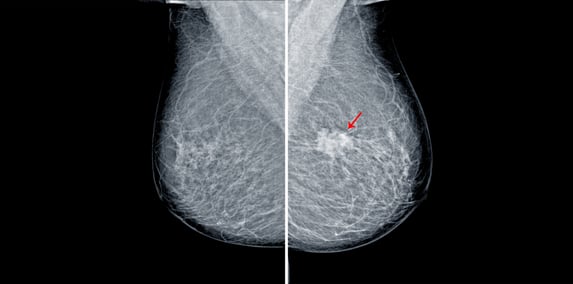
Structured reporting is the cornerstone of defensible breast imaging practice. Your mammography software should embed automated BI-RADS categorization and MQSA reporting directly into the interpretation workflow — not require staff to re-enter data after the fact. This reduces transcription errors, ensures consistent categorization across readers, and keeps your program audit-ready at all times. MammoIQ, for example, integrates these compliance tools natively within the breast imaging software environment so nothing falls through the cracks.
Density Tracking and QA Checks
With breast density notification laws now active in many states and federal density reporting requirements expanding, your mammography PACS must track and document density across patient histories — not just at a single exam. Built-in quality assurance checks flag inconsistencies and missing data before studies are finalized, protecting your program from downstream compliance issues. When evaluating breast imaging software, ask specifically whether density tracking is structured and reportable or simply a free-text field.
Data Security and HIPAA Compliance
Patient imaging data is among the most sensitive information in healthcare. Enterprise-grade mammography PACS platforms must provide robust data encryption at rest and in transit, role-based access controls, full audit trails, and secure remote access architectures. This is particularly important for multi-facility deployments and remote reading environments where data crosses organizational and geographic boundaries. Verify that any mammography software you evaluate meets current HIPAA standards and can produce documentation to satisfy your security reviews.

Key Features of an Enterprise-Grade Mammography PACS
Beyond workflow and compliance, the best breast imaging platforms share a core set of capabilities that separate purpose-built mammography software from generic PACS with mammography plugins. Here is what to look for:
- Multi-Modality Breast Imaging Support: A single unified viewer for mammography, tomosynthesis, breast MRI, and ultrasound eliminates the need to switch systems mid-interpretation. Advanced tools including multi-slice subtraction, rate-of-enhancement analysis, MPR, and ROI tracking support confident reads across complex multi-modality cases.
- Intelligent Follow-Up Tracking: One of the most common failure points in breast imaging programs is the gap between a radiologist's recommendation and confirmed patient follow-through. Purpose-built mammography PACS captures clinical intent at the point of interpretation — the BI-RADS recommendation — and carries it forward through structured tracking workflows that reduce suspended cases and improve accountability across the program.
- Patient Reminder Workflows: Automated patient reminder functionality closes the loop between imaging recommendation and patient action, reducing the administrative overhead on care coordination staff while improving follow-up rates that directly affect outcomes.
- Tumor Board and Multidisciplinary Collaboration: Complex breast cancer cases often require multidisciplinary review. Look for mammography software that provides unified patient views combining imaging, clinical data, and historical context to support tumor board review and structured collaboration between radiologists, oncologists, and surgeons.
- Flexible Deployment Options: Not every organization has the same infrastructure. A strong mammography PACS should support standalone deployment alongside existing systems, full enterprise integration, and distributed or remote reading environments — without forcing organizations into a single architectural path.
What This Means for Your Organization
The right mammography PACS looks different depending on where you sit in the breast imaging ecosystem. Here is how to frame the evaluation based on your organization type.
Hospitals and Health Systems
For health systems managing breast imaging across multiple facilities, the priority is enterprise integration and compliance at scale. You need a mammography PACS that extends seamlessly alongside your existing enterprise imaging infrastructure, unifies breast imaging workflows across sites, and produces consistent BI-RADS and MQSA reporting regardless of which location performed the study. Tumor board functionality and multidisciplinary collaboration tools are also critical, as health systems are more likely to manage patients through full oncology care pathways.
Outpatient Imaging Centers and Breast Care Clinics
For dedicated breast imaging centers competing on throughput and patient experience, workflow efficiency and follow-up tracking are the biggest drivers of value. A mammography PACS that accelerates interpretation through AI triage, smart hanging protocols, and automated patient reminder workflows directly impacts how many patients you can serve and how many at-risk patients actually return for recommended follow-up. Compliance automation also frees your staff to focus on patient care rather than manual reporting tasks.
Radiology Groups and Teleradiology Providers
For radiology groups reading breast imaging across multiple client sites, remote performance and deployment flexibility are non-negotiable. Your mammography software must perform at full speed in cloud-based and remote reading environments, retrieve priors reliably across different source PACS, and support standalone deployment at client sites without requiring a rip-and-replace of existing infrastructure. Security and audit trail capabilities are also essential when your readers are accessing patient data across organizational boundaries.
Choosing the Right Mammography PACS: The Bottom Line
A mammography PACS is not a commodity purchase. The platform you choose shapes how efficiently your radiologists read, how consistently your program meets regulatory requirements, and ultimately how effectively your organization serves patients who depend on accurate, timely breast imaging results.
When evaluating breast imaging software, prioritize platforms purpose-built for mammography — not general PACS with mammography add-ons. Look for unified workflows that span interpretation, follow-up tracking, compliance reporting, and multi-modality imaging within a single environment. And ensure that the platform can meet you where you are: supporting your current deployment model while scaling alongside your program as volumes grow and reading environments evolve.
MammoIQ by Novarad is an enterprise-grade mammography PACS built specifically for modern breast imaging programs. It unifies image visualization, case management and tracking, and regulatory reporting into a continuous workflow — from first interpretation to documented outcome — designed to support the full range of breast imaging environments, from standalone clinics to distributed health systems. Both native to NovaPACS EI and easily enabled, or deployable as a standalone solution alongside any radiology PACS
Ready to see MammoIQ in action? Request a demo to learn how purpose-built mammography software can transform your breast imaging program.